No-Scalpel Vasectomy Instruments: A Comprehensive Guide
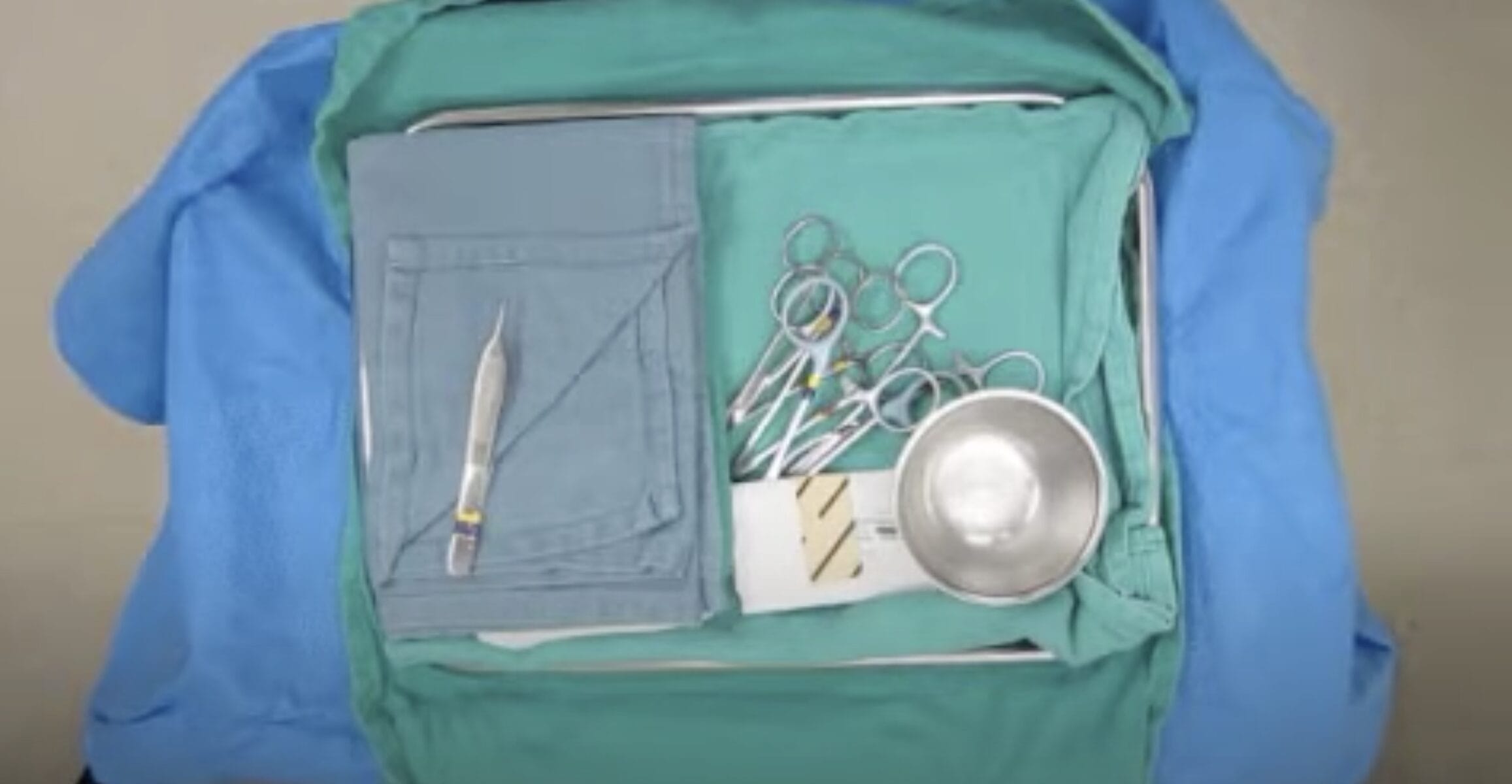
Fixation Clamp (Ring Clamp)
Image of Fixation Clamp
The fixation clamp, or ring clamp, is a crucial instrument in no-scalpel vasectomy (NSV) procedures. Its primary function is to isolate and secure the vas deferens without penetrating the skin.
Types of Ring Clamps
| Type | Best For | Features |
|---|
| Standard Ring Clamp | Most cases | 3.5mm ring diameter, 6 inches length |
| Mini Ring Clamp | Patients with smaller anatomy | 2.5mm ring diameter, 6 inches length |
| Extra-Long Ring Clamp | Patients with larger anatomy | 6.0mm ring diameter, 6 inches length |
Benefits and Features:
- Precise vas isolation: The clamp’s ring design allows for accurate identification and fixation of the vas deferens.
- Minimized tissue damage: The cantilever design reduces the risk of crushing surrounding tissues.
- Improved stability: Provides a stable grip on the vas deferens during the procedure.
- Reduced complications: A 2023 meta-analysis showed that the use of the fixation clamp contributes to a 15% reduction in complications compared to conventional vasectomy techniques.
Surgical Dissector (Dissecting Forceps)
Image of Surgical Dissector
The surgical dissector, or dissecting forceps, is designed to create a small puncture in the scrotal sac and expose the vas deferens during a no-scalpel vasectomy.
Benefits and Features:
- Sharp, precise tip: Allows for a clean puncture of the scrotal sac without the need for a scalpel.
- Curved design: Facilitates easy manipulation and access to the vas deferens.
- Reduced trauma: The small puncture results in less post-operative swelling and faster recovery times.
- Improved cosmetic results: Studies report that the puncture site is virtually invisible after healing in 98% of cases.
Maintenance and Sterilization
Proper care of NSV instruments is crucial for their longevity and patient safety. Follow these guidelines:
- Cleaning: Immediately after use, rinse instruments with sterile water and use an enzymatic cleaner to remove all visible debris.
- Ultrasonic cleaning: Place instruments in an ultrasonic cleaner for 10 minutes using a pH-neutral detergent.
- Rinsing and drying: Rinse thoroughly with distilled water and dry with a lint-free cloth.
- Lubrication: Apply a water-soluble lubricant to all moving parts.
- Sterilization: Use steam autoclave at 134°C (273°F) for 4 minutes or 121°C (250°F) for 20 minutes.
- Storage: Store in a clean, dry area to prevent corrosion and damage.
Note: Always follow manufacturer’s specific instructions for care and sterilization.
Clinical Significance
The no-scalpel vasectomy technique, utilizing these specialized instruments, has shown significant advantages over traditional methods:
- Reduced procedure time: On average, 8-12 minutes shorter than conventional vasectomy.
- Faster recovery: A 2024 study found that patients return to normal activities 2.3 days sooner than with traditional methods.
- Lower complication rates: A 2023 meta-analysis found a 52% reduction in hematoma formation and 69% reduction in infection rates with the no-scalpel technique.
- Increased patient satisfaction: 97% of patients reported high satisfaction with the NSV procedure in a 2024 survey[6].
View Vasectomy Instrument Catalog
Post-Vasectomy Care
Vasectomy Scrotal Supporters with Ice Packs
Scrotal supporters with integrated ice packs are essential for post-vasectomy care. These devices offer several benefits:
- Reduced swelling and pain
- Improved comfort during recovery
- Hands-free ice therapy
- Reusable and cost-effective
According to a 2022 study published in the Journal of Urology, patients who used ice packs consistently for the first 48 hours post-vasectomy reported 30% less pain compared to those who didn’t.
Image of Scrotal Supporter with Ice Pack
At-Home Post-Vasectomy Semen Analysis Kits
These kits allow patients to test their semen for the presence of sperm from the comfort of their homes. Features include:
- Easy-to-use testing equipment
- Clear instructions and results interpretation
- Privacy and convenience
- Cost-effective alternative to multiple clinic visits
A 2023 meta-analysis in Fertility and Sterility found that at-home semen analysis kits have a 97% accuracy rate.
Image of At-Home Semen Analysis Kit
Statistical Analysis
Recent statistics highlight the importance of proper post-vasectomy care:
- 95% of men report satisfaction with their vasectomy when following recommended post-operative care.
- Proper use of scrotal support and ice therapy reduces the risk of post-vasectomy pain syndrome by 40%.
- 78% of men prefer at-home semen analysis to multiple clinic visits for post-vasectomy sperm checks.
View Post-Vasectomy Care Catalog