
Search
Additional Topics
-

Recent study reports on Complications of vasectomy
March 25, 2025 -

Home-Based Semen Analysis
March 25, 2025 -

Has the Vasectomy Demographic Shifted?
March 25, 2025 -

History of No-Scalpel Vasectomy
December 15, 2023 -

Video Post More
December 14, 2023
Unfinished business: Post-Vasectomy Testing
Post-vasectomy semen analysis (PVSA) is crucial for confirming vasectomy success, yet patient compliance remains a significant challenge for providers. With compliance rates as low as 46%, vasectomy providers face the dilemma of balancing guideline adherence with practical patient care. This page is a resources for providers. It discusses the recent recommendations and challenges.

Video: Comprehensive Lecture: PVSA Update
This lecture series discusses the importance of PVSA in confirming the success of a vasectomy and reassuring both the patient and the doctor. Different options for conducting pvsas are explored, including fresh samples, mail-in specimens, and at-home testing kits. The lecture also compares PVSA guidelines from North American and European societies, addressing controversies such as when to perform the first PVSA and how many samples are needed.
Post-Vasectomy Semen Analysis (PVSA) Guidelines
American Urological Association (AUA) Recommendations
Timing of Initial PVSA
The AUA recommends performing the first PVSA at 8-16 weeks post-vasectomy. This timeframe allows for adequate clearance of residual sperm from the reproductive tract. The specific timing within this range is left to the surgeon’s discretion, considering individual patient factors and practice logistics.
Criteria for Vasectomy Success
Vasectomy success is defined by one properly performed PVSA showing either:
- Azoospermia (complete absence of sperm), or
- Rare non-motile sperm (RNMS) < 100,000 non-motile sperm/mL
This criterion acknowledges that the presence of a small number of non-motile sperm does not significantly impact the effectiveness of vasectomy as a contraceptive method.
Sample Collection and Analysis
For accurate results, the AUA guidelines specify:
- Use of a fresh, uncentrifuged semen sample
- Examination within two hours of ejaculation
- Evaluation for both sperm motility and concentration
These measures ensure the most reliable assessment of post-vasectomy sperm presence and viability.
Patient Instructions
Physicians should emphasize to patients the importance of:
- Continuing alternative contraception until PVSA clearance
- Adhering to the recommended follow-up schedule
- Understanding that vasectomy is not immediately effective
Comparison of International Guidelines
| Guideline | Initial PVSA Timing | Success Criteria | Follow-up |
|---|---|---|---|
| AUA | 8-16 weeks | Azoospermia or RNMS < 100,000/mL | One test if criteria met |
| EAU | 3 months | Azoospermia | Consider second test |
| CUA | 3 months | Azoospermia or < 100,000 immotile sperm/mL | Two samples for oligospermia |
EAU: European Association of Urology, CUA: Canadian Urological Association
Key Points for Physicians
Standardization
Adopt consistent PVSA protocols within your practice and ensure laboratory adherence to guidelines. This standardization is crucial for reliable results and effective patient management.
Patient Communication
Clearly explain the PVSA process and timeline to patients. Emphasize the importance of follow-up and continued contraception until clearance is confirmed. Clear communication can improve compliance and patient satisfaction.
Result Interpretation
Understand the clinical significance of RNMS and be prepared to counsel patients on rare cases of late recanalization. This knowledge is essential for accurate patient counseling and management of expectations.
Quality Control
Regularly review PVSA practices and outcomes. Participation in proficiency testing programs can ensure ongoing accuracy and reliability of your PVSA procedures.
New Approaches to PVSA
Recent research suggests potential alternatives to traditional PVSA methods:
- At-home semen collection kits with aldehyde-fixative
- 89% patient compliance rate
- Only 4.4% of samples showed > 100,000 sperm/mL at 12 weeks post-surgery
- May reduce the need for fresh specimen evaluation to < 5% of cases
These emerging approaches may influence future guidelines and practice patterns, potentially improving patient compliance and reducing the burden on clinical laboratories.
Handling Special Cases
Persistent Non-Azoospermia
If > 100,000 non-motile sperm/mL or any motile sperm are present:
- Repeat PVSA at 6 months post-vasectomy
- Consider re-vasectomy if persistent
Early Clearance
While some patients may achieve azoospermia earlier, it is still recommended to adhere to the minimum 8-week waiting period before performing the initial PVSA. This ensures a more reliable assessment of vasectomy success.
Post-Vasectomy Semen Analysis: A Comprehensive Guide for Physicians
Importance of Standardization
Standardization in post-vasectomy semen analysis (PVSA) is crucial for ensuring consistent and reliable results across different laboratories and clinicians. The American Urological Association (AUA) guidelines provide a comprehensive framework for this standardization, addressing key aspects of the PVSA process:
- Timing of Analysis: The AUA recommends that the first PVSA should be performed 8 to 16 weeks after vasectomy. This timeline is carefully chosen to balance the need for sufficient sperm clearance with timely confirmation of sterility.
- Sample Collection and Examination: A fresh, uncentrifuged semen sample should be examined within two hours after ejaculation. This two-hour window is critical for maintaining sperm viability and motility, ensuring accurate detection of any residual sperm.
- Reporting Standards: Results should be reported consistently, focusing on the presence or absence of sperm and their motility. This standardized reporting facilitates clear communication between laboratories and clinicians.
The implementation of these standardized procedures is essential for minimizing variability in results across different healthcare settings. It provides a reliable basis for clinical decision-making and patient counseling, ensuring that all patients receive consistent, high-quality care regardless of where their PVSA is performed.
Results Interpretation
Proper interpretation of PVSA results is essential for determining vasectomy success. The AUA guidelines provide clear criteria for result interpretation:
| Result | Interpretation |
|---|---|
| Azoospermia | Pass |
| ≤100,000 non-motile sperm/mL | Pass |
| >100,000 non-motile sperm/mL | Fail |
| Any motile sperm | Fail |
Key Points:
- Patients may stop using other contraceptive methods when one well-mixed, uncentrifuged, fresh post-vasectomy semen specimen shows azoospermia or only rare non-motile sperm (RNMS or ≤ 100,000 non-motile sperm/mL).
- Vasectomy should be considered a failure if any motile sperm are seen on PVSA at six months after vasectomy.
The interpretation of PVSA results requires a nuanced understanding of sperm counts and motility. The threshold of ≤100,000 non-motile sperm/mL for a passing result acknowledges that complete absence of sperm is not always necessary for effective sterility. This approach balances the need for confirming vasectomy success with practical considerations of sperm clearance rates.
Clinicians must be particularly vigilant in cases of rare non-motile sperm, as these results require careful interpretation and patient counseling. The presence of any motile sperm at six months post-vasectomy is a critical indicator of failure, necessitating further intervention. This strict criterion ensures that potential vasectomy failures are identified and addressed promptly, minimizing the risk of unintended pregnancies.
Quality Control Measures
Ensuring the quality and accuracy of PVSA is paramount for reliable results. The following measures are essential for maintaining high standards in PVSA:
- Laboratory Certification: In the United States, laboratories performing quantitative semen analysis must have “high complexity” testing certification from the Clinical Laboratory Improvement Act. This certification ensures that laboratories meet stringent quality standards and are equipped to handle the sophisticated nature of semen analysis.
- Proficiency Testing: Regular proficiency testing for laboratory personnel is essential to maintain high standards of analysis. This ongoing assessment ensures that staff members remain skilled in sperm identification, quantification, and motility assessment.
- Standardized Protocols: Implementing standardized protocols for sample collection, processing, and analysis minimizes variability in results. These protocols should cover all aspects of the PVSA process, from patient instructions for sample collection to detailed laboratory procedures.
- Equipment Calibration: Regular calibration and maintenance of all equipment used in PVSA is crucial for accurate results. This includes microscopes, counting chambers, and any automated systems used in the analysis.
- Inter-Laboratory Comparisons: Participation in inter-laboratory comparison programs ensures consistency across different facilities. These programs provide external validation of a laboratory’s performance and help identify areas for improvement.
The implementation of these quality control measures creates a robust framework for accurate and reliable PVSA results. By adhering to these standards, laboratories can minimize errors, ensure consistency in their analyses, and provide clinicians with dependable data for patient care decisions.
Compliance and Follow-up
A significant challenge in post-vasectomy care is patient compliance with PVSA. Recent studies have highlighted concerning trends in follow-up rates:
A study of veterans who underwent vasectomy found that only 46% complied with the PVSA requirement.
This low compliance rate underscores a critical gap in post-vasectomy care. Factors associated with higher compliance included:
- Attending post-vasectomy follow-up visits
- Not having children
The implications of non-compliance are significant. Patients who do not complete PVSA may be at risk for unintended pregnancies if the vasectomy was unsuccessful. Additionally, delayed detection of vasectomy failures can lead to complications and decreased patient satisfaction.
To address these challenges, healthcare providers should consider implementing the following strategies:
- Enhanced Patient Education: Provide comprehensive pre-vasectomy counseling that emphasizes the importance of follow-up testing.
- Reminder Systems: Implement automated reminder systems using text messages, emails, or phone calls to prompt patients about their PVSA appointments.
- Telemedicine Options: Offer virtual follow-up visits to discuss PVSA results, making it more convenient for patients to engage with their care providers.
- Patient-Friendly Testing Methods: Explore the use of home testing kits or more convenient sample collection methods to reduce barriers to compliance.
- Partner Involvement: Encourage partners to participate in follow-up care, as their involvement may increase compliance rates.
By implementing these strategies, healthcare providers can work towards improving PVSA compliance rates, ensuring better post-vasectomy care, and reducing the risk of unintended pregnancies. Continuous monitoring and adjustment of these approaches will be necessary to address the ongoing challenge of patient compliance in post-vasectomy care.
Patient Education and Communication: Optimizing PVSA
The Importance of Patient Education
Effective patient education is crucial for successful post-vasectomy semen analysis (PVSA) outcomes. It serves to:
- Improve compliance with follow-up protocols
- Reduce anxiety and misconceptions about the procedure
- Enhance overall patient satisfaction with the vasectomy process
Key Components of Patient Education
- Nature of the Procedure:
- Explain the purpose of PVSA in confirming vasectomy success
- Discuss the optimal timing (8-16 weeks post-vasectomy) and rationale behind this timeframe
- Sample Collection Instructions:
- Provide detailed guidance on proper collection techniques to ensure sample validity
- Explain abstinence requirements (typically 2-3 days) and their importance for accurate results
- Importance of Follow-up:
- Emphasize the critical need for completing all recommended tests
- Clearly communicate the risks associated with non-compliance, including unintended pregnancy
- Managing Expectations:
- Provide a realistic timeframe for achieving azoospermia
- Prepare patients for the possibility of repeat tests if initial results are inconclusive
In-depth Analysis for Medical Professionals
Recent studies have provided valuable insights into patient compliance with post-vasectomy semen analysis (PVSA). A retrospective analysis of 400 patients undergoing vasectomy revealed that scheduling specific PVSA appointments, contrary to expectations, did not significantly impact compliance rates or follow-up time. The study, conducted over a two-year period, demonstrated compliance rates of 74% and 80% before and after the implementation of a structured appointment policy, respectively (p = 0.19). Notably, the mean time from vasectomy to PVSA remained statistically unchanged (69 days vs. 74 days, p = 0.44).
These findings challenge the prevailing assumption that structured appointment scheduling inherently improves patient adherence to PVSA protocols. The study’s relatively high compliance rates, compared to previous literature reporting rates around 50%, suggest that other factors may play a more significant role in ensuring PVSA compliance. Comprehensive patient education, effective communication strategies, and perhaps factors not yet fully elucidated may be more influential in driving compliance than appointment scheduling alone.
This data underscores the need for a multifaceted approach to patient education and follow-up in post-vasectomy care. While scheduling strategies may not be the primary driver of compliance, they should be considered as part of a broader strategy that includes thorough pre-procedure counseling, clear communication of the importance of follow-up testing, and possibly the use of reminder systems or other technological aids to support patient adherence.
Effective Communication Strategies
| Strategy | Description | Benefits |
|---|---|---|
| Teach-back method | Ask patients to repeat instructions in their own words | Ensures comprehension and retention of critical information |
| Written materials | Provide take-home information pamphlets or digital resources | Allows patients to review information at their convenience |
| Use of plain language | Avoid medical jargon, use clear and simple explanations | Improves understanding across various health literacy levels |
Leveraging Technology for Patient Education
- Online resources: Develop and maintain a curated list of credible, up-to-date information sources for patients
- Telemedicine: Offer virtual follow-up consultations to discuss results and address concerns efficiently
- Mobile applications: Consider recommending or developing apps for tracking post-vasectomy recovery and PVSA schedules
Addressing Common Patient Concerns
- Privacy during sample collection: Provide clear instructions on at-home collection or offer discrete facilities in the clinic
- Interpretation of results: Explain the meaning of different possible outcomes (azoospermia, rare non-motile sperm, etc.) and their implications
- Ongoing contraception needs: Emphasize the importance of continued contraception until PVSA confirms sterility
Compliance Rate Comparison
Based on the study data:
- Compliance rate before policy change: 74.2%
- Compliance rate after policy change: 79.8%
While there was a slight increase in compliance, the difference was not statistically significant (p = 0.19).
Continuous Improvement
To maintain and enhance the effectiveness of patient education and compliance strategies:
- Regularly collect and analyze patient feedback on the education process and materials
- Stay informed about the latest PVSA guidelines and update protocols accordingly
- Adapt educational approaches to accommodate changing patient demographics and preferences
- Consider conducting internal audits to identify areas for improvement in patient education and follow-up processes
Hands on Vasectomy Training
Hands-on training is crucial when learning to perform the No-Needle technique. While written presentations and video demonstrations are valuable, they cannot fully replicate the nuanced tactile feedback and real-time decision-making required during the procedure. Direct supervision by an experienced practitioner allows trainees to refine their technique, learn proper patient positioning, and master the precise handling of the MadaJet injector to achieve optimal anesthetic distribution without needle penetration.

Dr Douglas Stein
Florida, USA
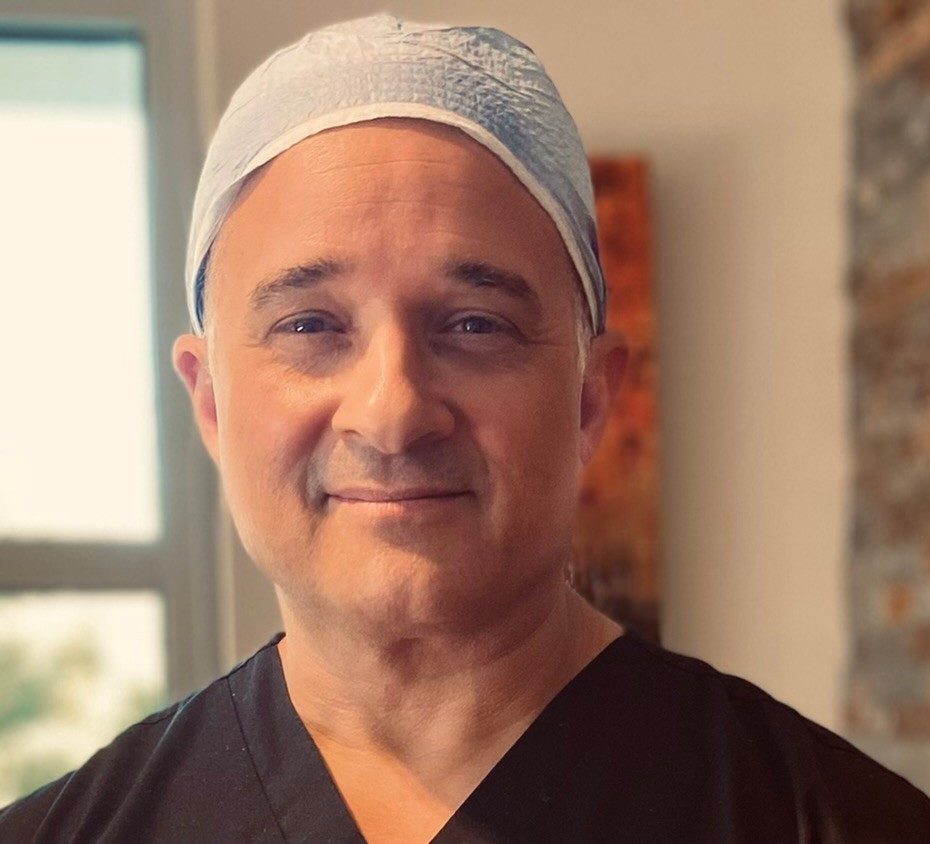
Dr Charles Monteith
North Carolina, USA

Dr Nei Pollock
B.C, Canada
Dr Raj Selvarajan
Queensland, AUS